Kitchen vinyl wrapping in London and the South East
Kitchen vinyl wrapping covers your existing cupboard doors, drawer fronts, end panels, plinths and worktops in a thin, self-adhesive architectural film. KWrap wraps kitchens across London and the South East, usually in a day or two, so you get a new-looking kitchen without a rip-out.
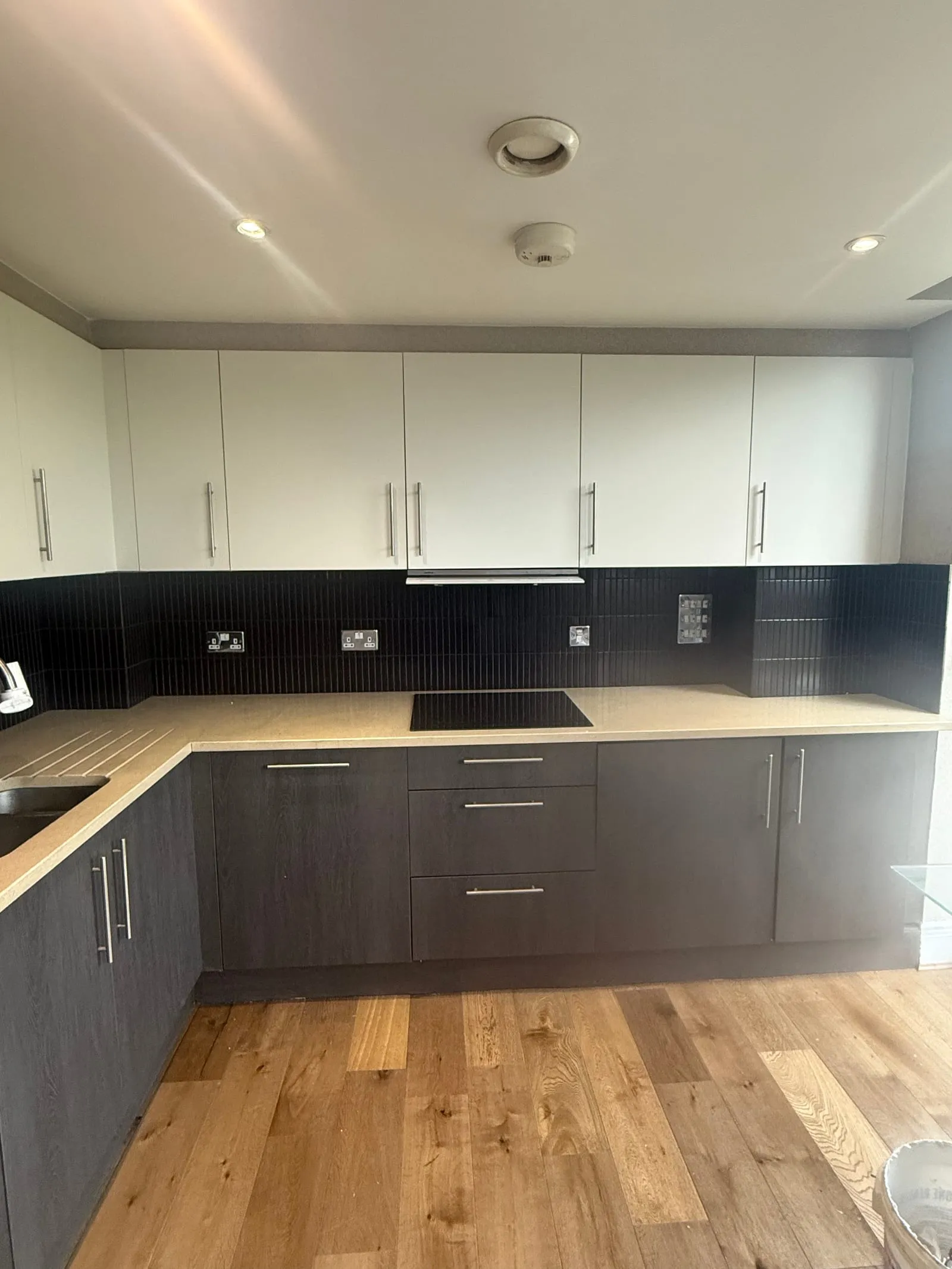
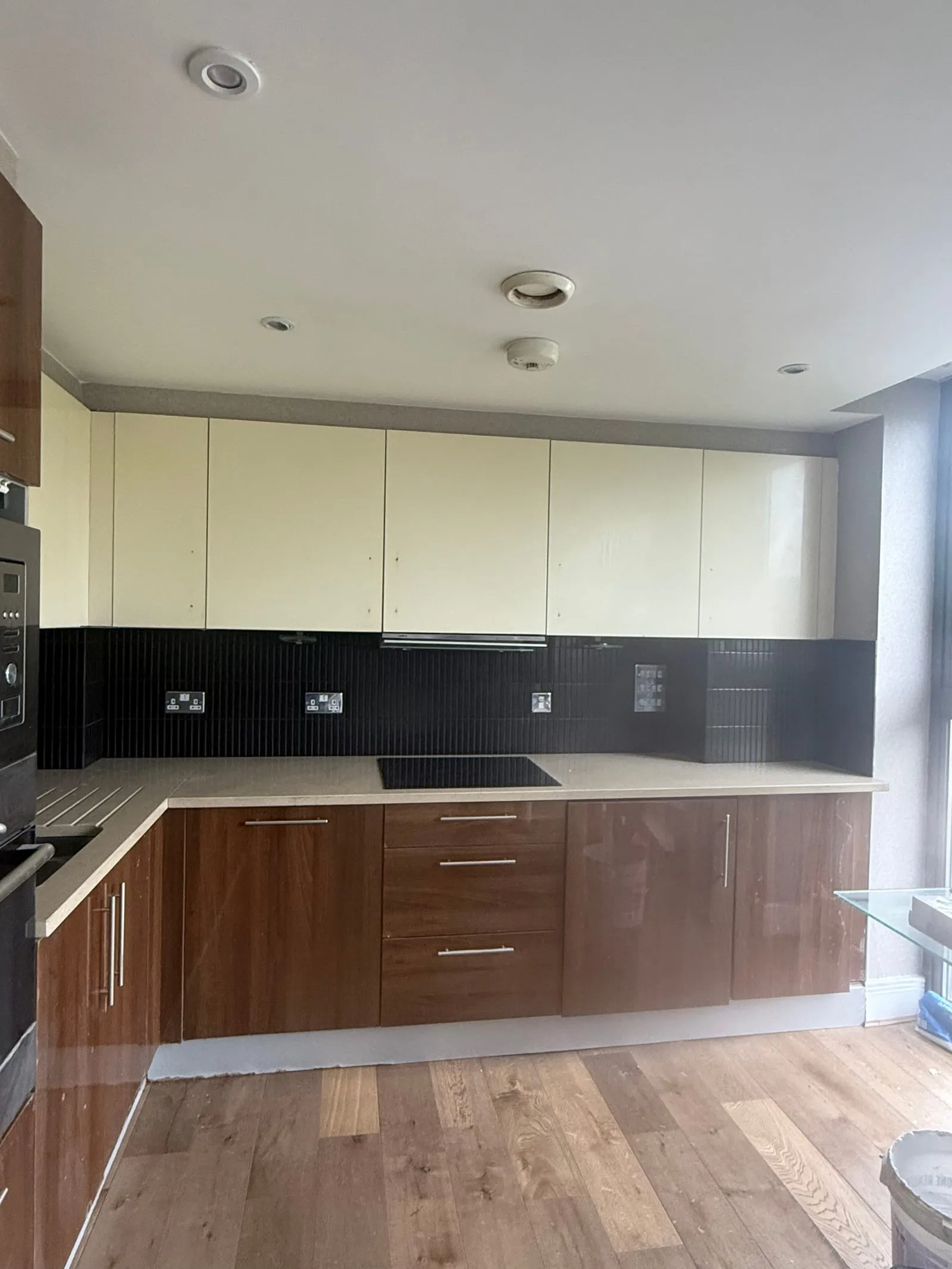 Before
What kitchen wrapping changes, and what stays the same
A kitchen wrap changes every surface you look at: the doors, drawer fronts, end panels, plinths, cornice and, if you want, the worktops. The parts you do not see stay exactly where they are. The cabinet carcasses, plumbing, appliances, sink and electrics are not touched, which is why kitchen wrapping is quicker, cleaner and cheaper than fitting a new kitchen.
Kitchen wrapping works best on kitchens that are structurally sound but look dated, worn or the wrong colour. If the units are solid, the doors close properly and the layout still works for you, replacing the whole kitchen means paying again for things you already have.
What is kitchen wrap made of?
Kitchen wrapping uses architectural vinyl film, a material made for interior surfaces rather than the sticky-back plastic sold for DIY. Architectural film is thicker and more conformable, so it can be heated and stretched around door edges and profiles, and its adhesive is designed to bond firmly to properly prepared surfaces.
Architectural film comes in hundreds of finishes, including matt and gloss solid colours, soft-touch matt, wood grains, marble, stone, concrete and brushed metal. The wood and stone films are embossed, so a wood-effect kitchen has a grain you can feel as well as see.
How does kitchen wrapping compare with a new kitchen?
A new kitchen means removing the old units, making good the walls and floor, refitting plumbing and electrics, and usually new worktops. Kitchen wrapping skips all of that, so the cost is a fraction of a replacement and the job is usually done in a day or two rather than over several weeks.
- Choose wrapping when the units are sound and the layout works, and you want a new colour or finish.
- Choose a new kitchen when the units are failing, the layout needs to change, or you need different appliances that will not fit the existing spaces.
Kitchen wrapping is also a good partner to smaller upgrades. Many people wrap the units and change the handles, the splashback or the lighting at the same time, which gives the effect of a new kitchen while keeping the work quick.
Parts of a kitchen we wrap
KWrap wraps the whole kitchen or just the parts that need it. Each part has its own guide:
- Kitchen cupboard and cabinet wrapping, for units, islands and panels.
- Kitchen worktop wrapping, for marble, stone, concrete and wood-effect worktops.
- Kitchen door wrapping and re-wrapping, including vinyl doors that are peeling.
Before and after
A real KWrap job, photographed before the film went on and after it was finished. Drag the handle to compare.
Every visible surface, sealed at every edge
A full KWrap kitchen wrap covers everything you see when you stand in the room, so none of the old colour is left showing at the edges.
- Cupboard doors and drawer fronts, front faces and all four edges
- End panels, filler panels and decor panels
- Plinths (kickboards), cornice and pelmet where fitted
- Kitchen islands and breakfast bars, including back panels
- Worktops and upstands, if you want them wrapped too
- Removing and refitting handles, or fitting new ones
- Cleaning, degreasing and filling minor chips and dents
- Heat-sealing every edge and corner so the film stays put
From first call to finished kitchen
- 1
Call or send a request
Tell us what you want wrapped and roughly where you are. Photos of each wall of the kitchen help us give you an early idea of the work involved.
- 2
Survey and samples
We measure up, check the condition of every surface and show you physical film samples against your own floor, walls and worktops.
- 3
Preparation
Handles come off, surfaces are cleaned and degreased, and minor damage is filled and sanded flat. Preparation is what stops a wrap lifting later.
- 4
Wrapping and finishing
Film is laid, heated and stretched around every edge, then post-heated so it holds its shape. Handles go back on and the kitchen is left clean.
Kitchen wrapping is a good fit for
- Homeowners who like their kitchen layout but not its colour or finish
- Kitchens with solid units whose doors look dated, faded or yellowed
- Tired high-gloss kitchens and wood kitchens that make a room feel dark
- Landlords refreshing a rental kitchen between tenancies
- Sellers who want the kitchen to photograph well for a listing
- Households that cannot be without a kitchen for weeks
When wrapping is not the right answer
- Doors or carcasses that are swollen or soft from water damage, because film cannot fix a failing board
- Kitchens where the layout is the real problem, since wrapping changes the look but not the shape
- Heavily textured or deeply grained surfaces, which can show through the film
- Surfaces right beside strong heat, such as some range cookers, unless a heat shield can be fitted
What affects the cost of kitchen wrapping
Kitchen wrapping costs a fraction of the price of a new kitchen because the cabinets, plumbing and appliances stay in place. KWrap prices every kitchen individually after seeing it, and these are the five things that move the price.
The quickest way to a price: send a few photos on WhatsApp, any day from 7am to 9pm.
- Number of pieces
- Kitchen wrapping is priced on the number of doors, drawers and panels, so a kitchen with 30 fronts takes longer than one with 15.
- Door style
- Flat slab doors are the quickest to wrap. Shaker and profiled doors have inner edges and grooves that are worked by hand.
- Condition and preparation
- Chips, dents, grease build-up or old peeling vinyl all need putting right before new film goes on.
- The film you choose
- Solid colours are usually the most affordable films. Textured woods, stone, metal and soft-touch finishes can cost more.
- Extras
- Worktops, an island, cornice, pelmets and integrated appliance panels all add to the scope of the job.
Finishes that suit this job
Matt and gloss colours, soft-touch matt, embossed woods, marble, stone, concrete and metal. These are photos of real supplier samples: the code is the supplier's, the colour name is our own description. You choose from the physical samples at your survey.
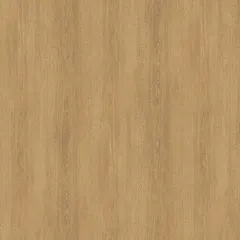
Light oak
CF 5532 · Wood

Sage grey
SF 1138 · Matt solid

Deep green
TF 4021 · Soft-touch matt

Warm cream
TF 4026 · Soft-touch matt

Navy
SF 1134 · Matt solid
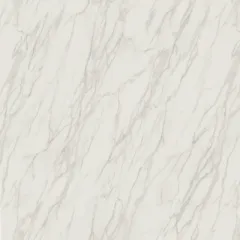
Carrara marble
MF 3054 · Marble

Dark ash
SF 1103 · Wood
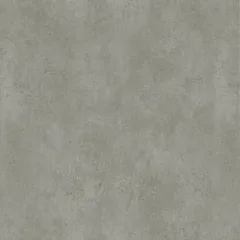
Concrete
MF 984 · Concrete
Why homeowners and businesses choose KWrap
Wrapping is the whole job
KWrap is a vinyl wrapping specialist for kitchens, homes and commercial interiors. Specialism matters because a wrap is judged at its edges and corners, where film has to be heated, stretched and sealed by hand.
Days, not weeks
Most kitchens are wrapped in a day or two, because nothing is ripped out and nothing new has to be made to measure. Your existing units, plumbing and appliances stay exactly where they are.
No rip-out, no mess
Wrapping goes over what you already have, so there is no demolition, no skip on the drive and no weeks of eating takeaways while a kitchen is refitted.
Real samples, in your light
You choose from physical film samples held against your own walls, floor and worktops, because a finish on a phone screen never looks the same as film in your room.
Kitchen wrapping: your questions answered
How much does kitchen wrapping cost?
Kitchen wrapping costs a fraction of the price of a new kitchen, because the cabinets, worktops, plumbing and appliances stay in place. The exact price depends on the number of doors and panels, the door style, the condition of the surfaces and the film you choose. Every job is priced after a survey with samples, so send photos on WhatsApp or call KWrap on 07904 099566 for a quote.
How long does it take to wrap a kitchen?
Most kitchens are wrapped in a day or two. Large kitchens, islands and worktop wrapping can add time, and KWrap confirms the timescale when it quotes.
How long does a kitchen wrap last?
The life of a kitchen wrap depends on the quality of the film, the preparation underneath and how the kitchen is used. Architectural film is made for long-term interior use, and a wrap fitted to clean, sound, post-heated surfaces is built to last. KWrap gives a 2-year guarantee on its work.
Can you wrap shaker-style kitchen doors with grooves?
Yes. Shaker and grooved kitchen doors can be wrapped, but each inner edge and groove is worked by hand, so they take longer than flat slab doors. That extra time is reflected in the quote.
Is kitchen wrapping better than spraying?
Kitchen wrapping and kitchen spraying both keep your existing units. Wrapping offers wood, marble, stone and metal effects as well as solid colours, has no paint drying time or overspray, and the film can be removed later. Spraying gives a painted, solid-colour finish.
How do you clean a wrapped kitchen?
Clean a wrapped kitchen with warm soapy water or a mild, non-abrasive cleaner and a soft cloth. Avoid scouring pads, solvents and bleach sprays, because harsh products can dull or damage the surface of the film.
Related services
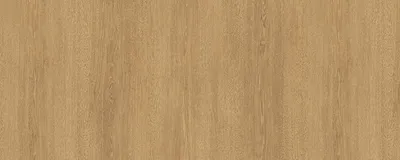
Light oak · CF 5532
Kitchen cabinet and cupboard wrapping
A new colour or wood finish on every unit, island and plinth, with the cabinets left in place.
Read more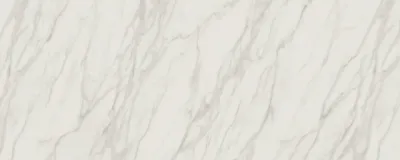
Carrara marble · MF 3054
Kitchen worktop wrapping
Marble, stone, concrete and wood-effect film over sound, flat worktops.
Read more
Navy · SF 1134
Kitchen door wrapping and re-wrapping
Fresh film on tired doors, including vinyl doors that are peeling or lifting.
Read more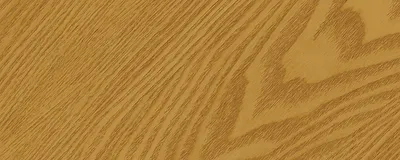
Golden oak · SF 237
Wardrobe wrapping
Fitted, sliding and freestanding wardrobe doors in wood, matt or textured finishes.
Read more
See your kitchen in a new finish
Call KWrap on 07904 099566 to talk through your kitchen, or send a quote request with a few photos of each wall.