Door wrapping for front, internal and uPVC doors
Door wrapping re-covers front doors, internal doors and uPVC doors in architectural film, changing their colour or finish without replacing them. KWrap wraps doors and door frames for homes and commercial buildings across London and the South East, using exterior-grade film on outside faces.
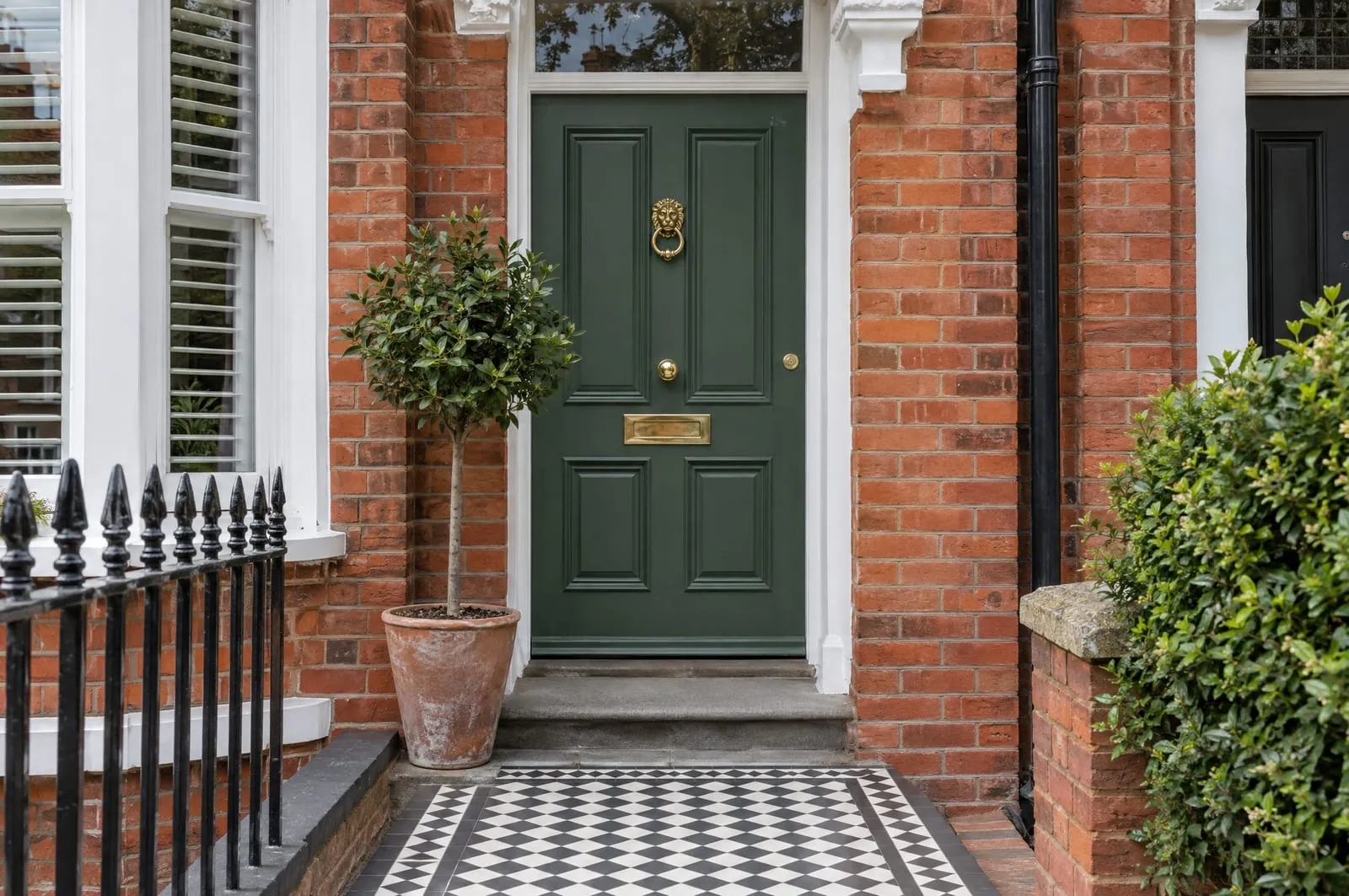
Internal door wrapping
Internal doors are one of the largest surfaces in a home, and they are usually all the same style, which makes them well suited to wrapping. Flush and panelled doors can be wrapped in wood, matt or soft-touch finishes, together with the door frames and architraves, so every door along a hallway or office corridor matches.
Front door and uPVC door wrapping
A front door faces sun, rain and temperature changes, so the outside face needs an exterior-grade film designed for weather and UV exposure. uPVC and composite doors are smooth and stable, which makes them good surfaces for film once they are cleaned and degreased. A white uPVC door can be changed to anthracite grey, black, a heritage colour or a wood effect, and matched to wrapped window frames.
Door wrapping or a new door?
Door wrapping keeps the door, frame, locks and hinges that already fit and work. A new door makes more sense if the door is warped, rotten, poorly sealed or no longer secure, because film changes the finish, not the structure.
Commercial doors
Offices, hotels and apartment blocks wrap corridor and room doors to update them without disrupting the people using the building. Where doors are fire doors, the film specification needs checking against the door certification before work starts. See architectural wrapping for commercial projects.
What door wrapping covers
Door wrapping covers the door and its surround, so the whole opening matches.
- Door faces and edges, on one side or both
- Door frames and architraves
- Exterior-grade film on outside faces
- Removing and refitting handles, letter plates and knockers where possible
- Cleaning, filling and priming before wrapping
- Matching uPVC window frames on the same elevation
How KWrap wraps a door
- 1
Survey
We check the door for warping, damage and fit, and confirm whether outside faces need exterior-grade film.
- 2
Preparation
Hardware comes off where possible, and the door is cleaned, degreased, filled and primed at the edges.
- 3
Wrapping
Film is applied to each panel and edge and heated into mouldings and corners.
- 4
Finish
Edges are post-heated, hardware goes back on and the door is checked for a clean close.
Door wrapping suits
- Dated pine, oak-veneer or white internal doors
- White uPVC front and back doors
- Composite front doors that have faded
- Apartment blocks, hotels and offices with many matching doors
A new door is better when
- The door is warped, rotten or split
- The door no longer closes, seals or locks properly
- A fire door would need its certification checked first, before any film is chosen
What affects the cost of door wrapping
Door wrapping is quoted on the number of doors and how much of each door and frame is being wrapped.
The quickest way to a price: send a few photos on WhatsApp, any day from 7am to 9pm.
- Number of doors and sides
- One face or both faces, and how many doors are being done.
- Frames and architraves
- Wrapping the surround as well as the door adds to the scope.
- Interior or exterior
- Outside faces need exterior-grade film designed for weather and sunlight.
- Door style
- Panelled doors take longer than flush doors because each moulding is worked by hand.
- Condition
- Dents, cracks and old paint need repairing before wrapping.
Why homeowners and businesses choose KWrap
Wrapping is the whole job
KWrap is a vinyl wrapping specialist for kitchens, homes and commercial interiors. Specialism matters because a wrap is judged at its edges and corners, where film has to be heated, stretched and sealed by hand.
Days, not weeks
Most kitchens are wrapped in a day or two, because nothing is ripped out and nothing new has to be made to measure. Your existing units, plumbing and appliances stay exactly where they are.
No rip-out, no mess
Wrapping goes over what you already have, so there is no demolition, no skip on the drive and no weeks of eating takeaways while a kitchen is refitted.
Real samples, in your light
You choose from physical film samples held against your own walls, floor and worktops, because a finish on a phone screen never looks the same as film in your room.
Door wrapping: your questions answered
Can you wrap a uPVC front door?
Yes. A uPVC front door can be wrapped once it is cleaned and degreased, and the outside face is wrapped in exterior-grade film. A white uPVC door can be changed to anthracite grey, black, a heritage colour or a wood effect.
Will a wrapped front door fade?
Exterior-grade films are made for outdoor use with UV resistance, but every exterior finish is affected by sunlight over time, and dark colours on sunny elevations work hardest. KWrap only uses films rated for exterior use on outside faces.
Can you wrap internal doors with panels?
Yes. Panelled internal doors can be wrapped, with the film heated into each moulding. Panelled doors take longer than flush doors, which is reflected in the quote.
Can you wrap fire doors?
Fire doors need care, because adding a surface finish can affect the door certification. KWrap checks the door certification and the film fire data before recommending fire door wrapping.
Related services

Blackened steel · JF 9001
uPVC window frame wrapping
White uPVC frames turned anthracite, black or wood effect, without new windows.
Read more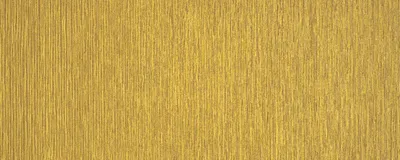
Brushed gold · TF 465
Architectural wrapping
Offices, hotels, lifts and shops refurbished in place, including 3M Di-Noc finishes.
Read more
Navy · SF 1134
Kitchen door wrapping and re-wrapping
Fresh film on tired doors, including vinyl doors that are peeling or lifting.
Read more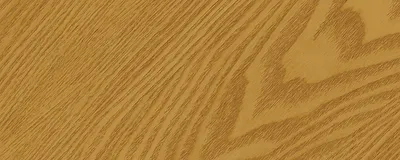
Golden oak · SF 237
Wardrobe wrapping
Fitted, sliding and freestanding wardrobe doors in wood, matt or textured finishes.
Read more
Change your doors without replacing them
Call KWrap on 07904 099566 and tell us how many doors you have and whether any of them face outside.